1921
The first car race was scheduled for the month of August 1921 on a track that was 15.820 km in length. Unfortunately, only one driver registered. The event was thus replaced by a race which gathered together 23 motorbikes and was won by Hassal on a Norton 500cc at an average speed of 90 km/hr.
1922
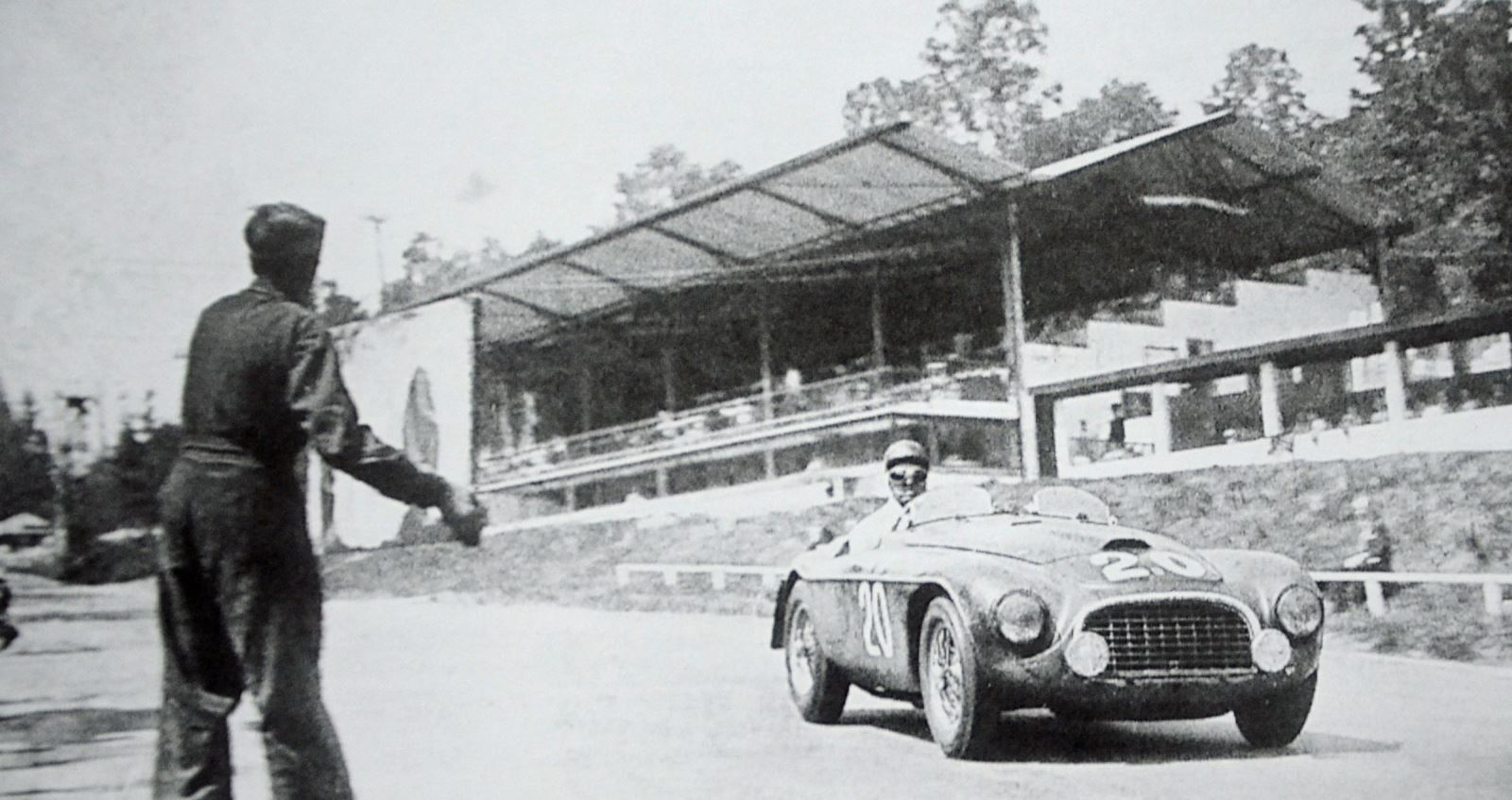
One year later, the Royal Automobile Club of Belgium organised its "Belgian GP" at Francorchamps, an endurance race for cars won by the Baron de Tornaco-Bruyère in an Impéria-Abadal at an average speed of 88.900 km/hr.
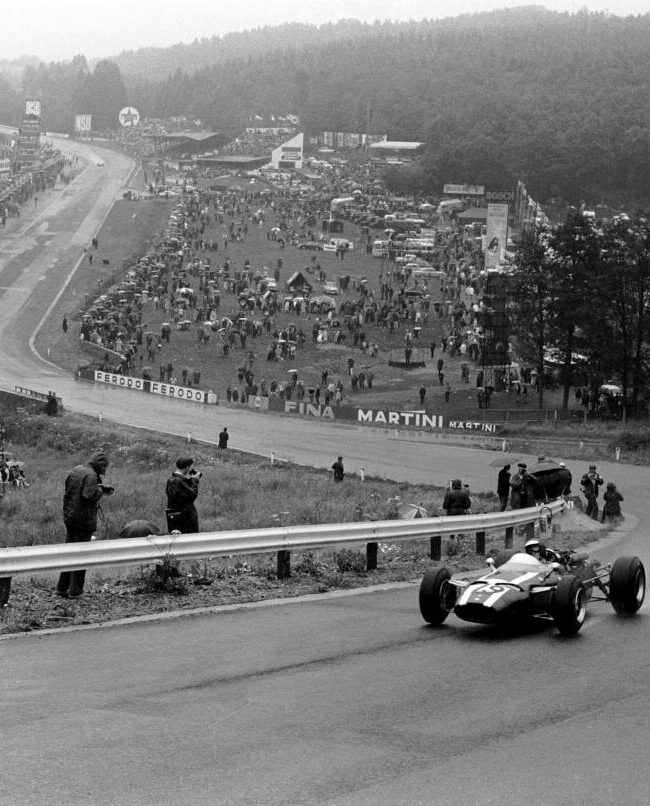
1928
Tarmacking of the track. To avoid stones being thrown up, the dirt track had tarmac laid down.

1979
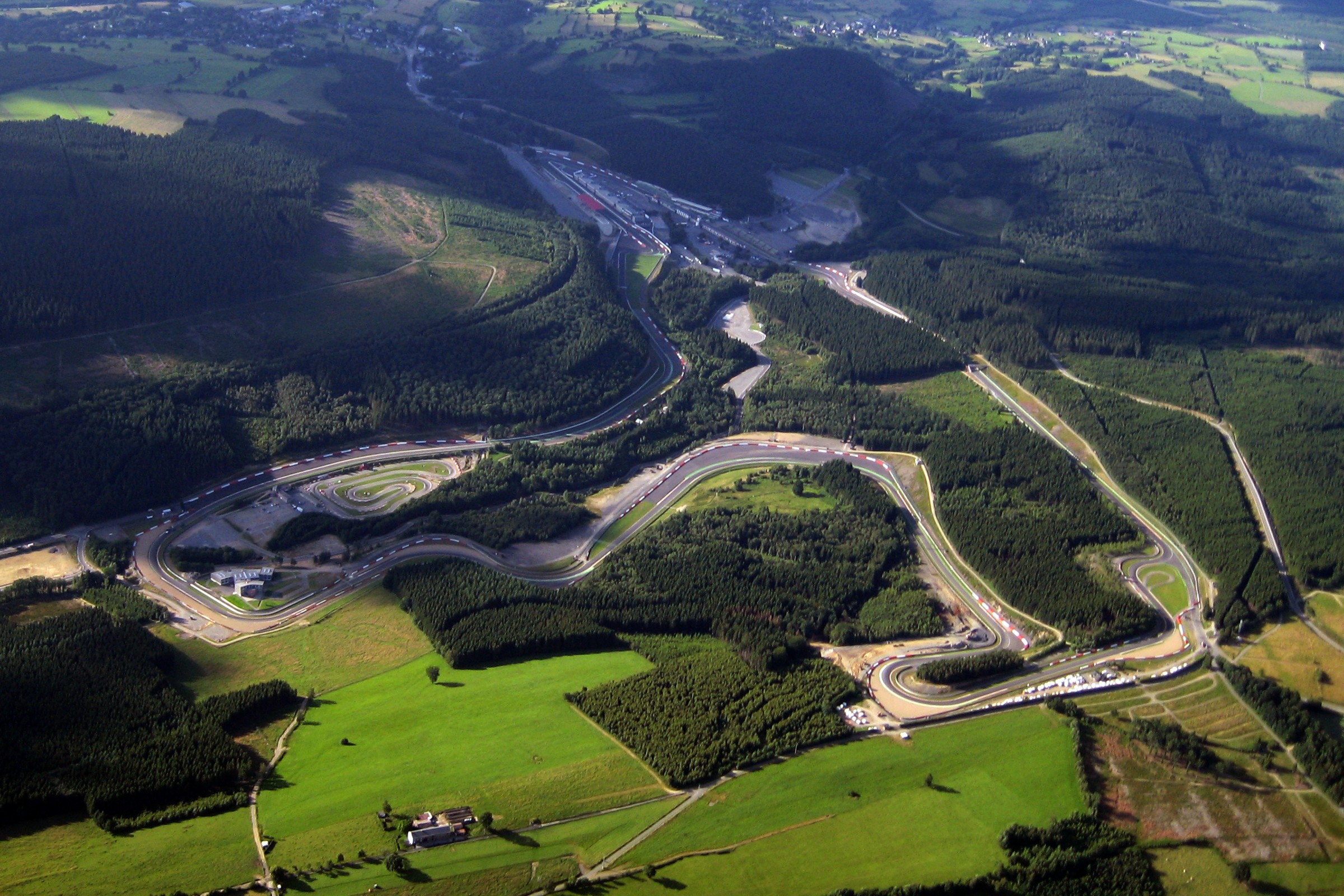
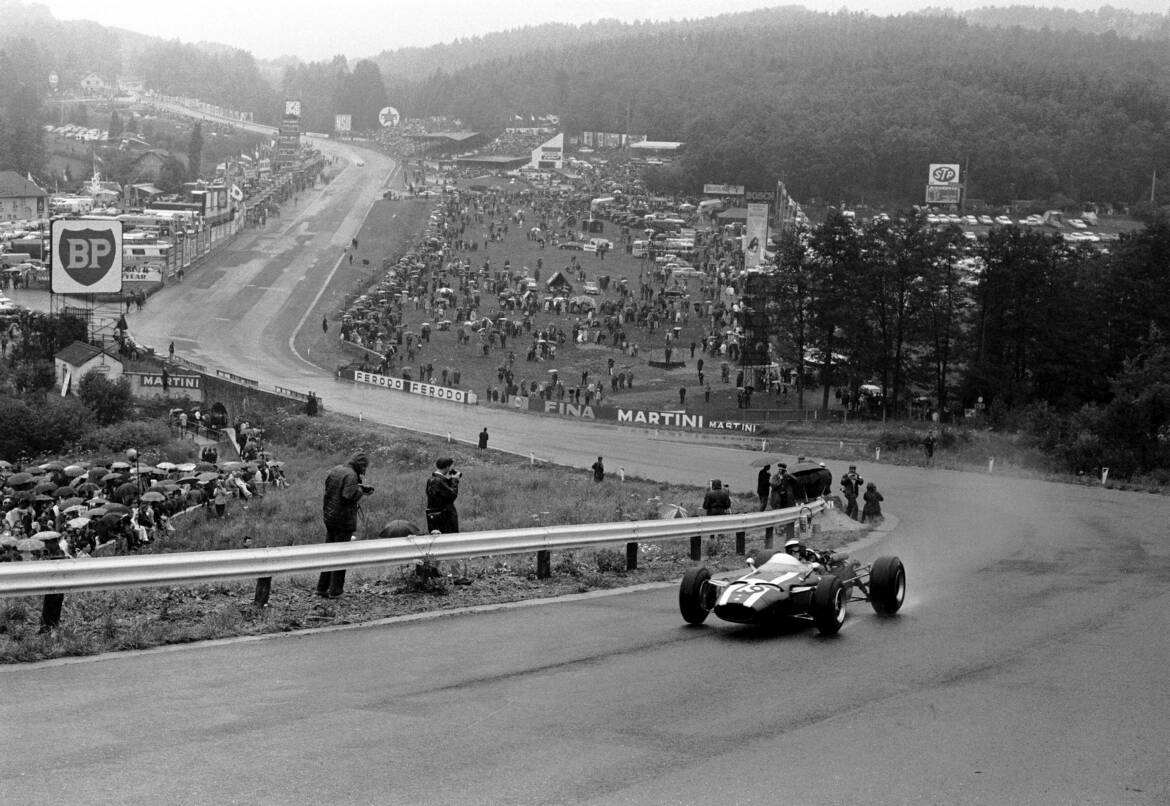
Creation of what is still called the "new portion" between Combes and the new Paul Frère bend. The length of the new circuit was brought up to 6.947 km.
1983
Return of the F1
For its return to Francorchamps, the Belgian GP was won by the Frenchman Alain Prost in a Renault.
2003
As traffic was forbidden from March to October, the Circuit became semi-permanent. Then very quickly permanent with 220 days of operation annually. Because of the prohibition on tobacco advertising, the F1 GP was cancelled.